PRESENTATION, INTERNATIONAL WORKSHOP, PARIS
- I. Tissot*a,b, M. Tissotb, P. Pedrosob, M. Lemosb,. 2009. Should metal shine? Working and sustaining the Difference. In Workshop on ancient metallurgy and analytical developments in the field of archaeology and cultural heritage, GDR ChimARC, Project AUTHENTICO (partic,), 14 -15 May, Paris.
* Corresponding author
a Faculty of Sciences, University of Lisbon b Archeofactu
Abstract
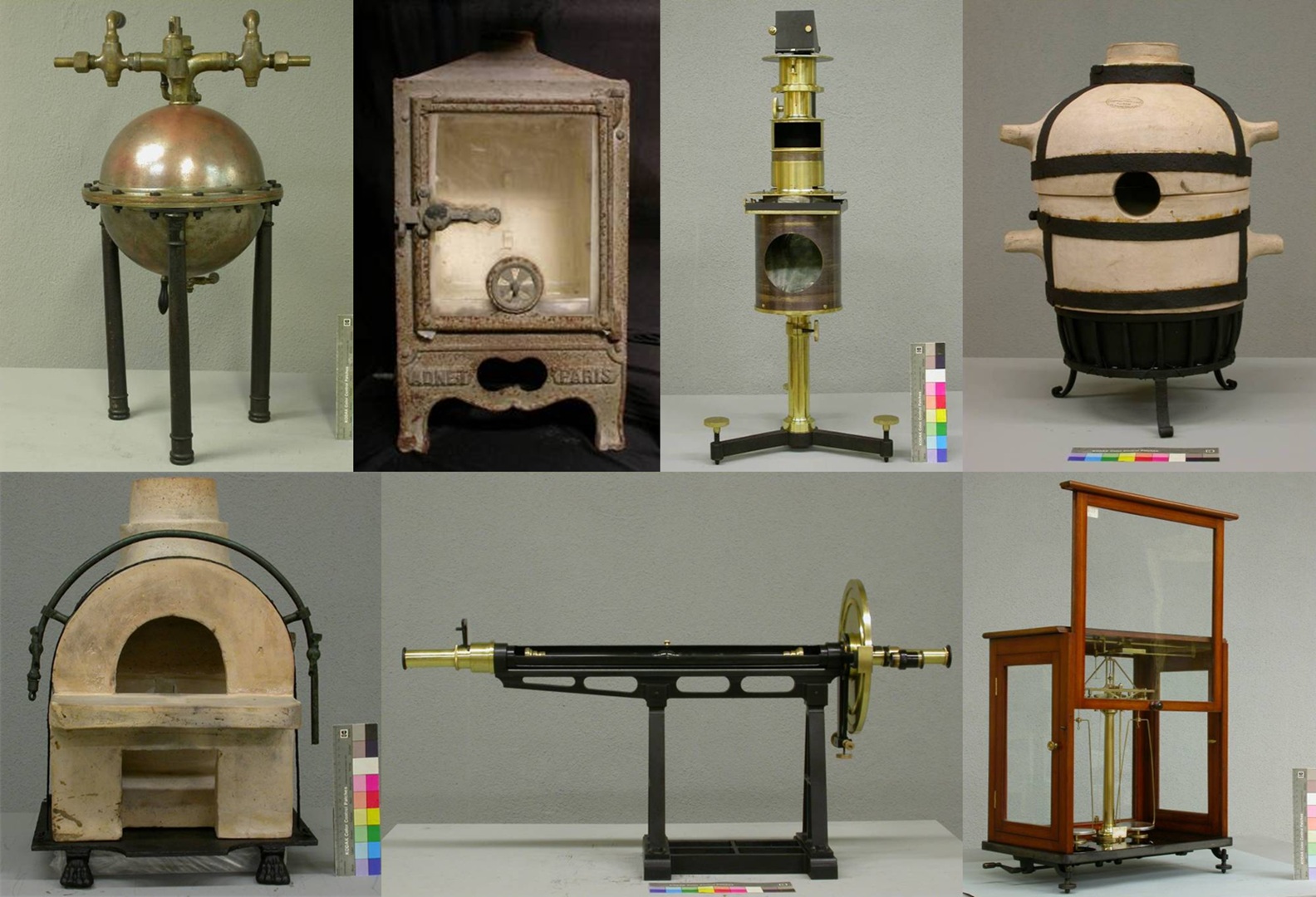
Metal objects are testimonies of civilizations and bearers of a double legacy whose components are inseparable; the constitutive subject-matter and the culture they represent. The success of metal application is associated with the easiness of the work, allowing the manufacture of strong objects, despite its suppleness, and it also has some physical properties with aesthetic qualities associated with relevant social implications.Most metals corrode and the main objective of the metal conservators-restorers, although paradoxical, is delaying the natural tendency for the corrosion process development. Accordingly it was established a scientific, technical and ethical code which clarified, and still clarifies, essential guidelines to the exercise of their activity, but always applying methodologies vis.a-vis the material stabilization. However, in most cases, the conservation is subjected to some restrictions coming from three different and distinctive judgments: function, environment and information, which affects the conservation program to be used. Furthermore, the association of cultural/personal references influences the individual relationship with certain objects and materials. These conditions require, in addition to a commitment for the material conservation, an adaptation of the methodology, especially in the cleaning, protection and exhibition processes, which, sometimes, reflects a challenge to research for new techniques and treatment methods. This work will be illustrated with three different examples - the collection of scientific instruments of the Laboratorio Chimico, 19th C, from the University of Lisbon; the set dishes of a underwater finding, 17th C, from Faro, and the reliquary shrine of Saint Vincent, 18th-19th C, from the Collegiate of Soignies - which led to the development of new cleaning methods, such as the application of CO2 and liquid nitrogen and to changes on the assumptions regarding the application of protective coatings.